 Reverse Osmosis
Service area · Northeastern Colorado
Northeastern Colorado water treatment for Sterling and the wider Northeastern Plains
Northeastern Colorado, the way we run it, is the wide arc of plains country running northeast along the South Platte — Sterling at the center of Logan County, with Brush and Fort Morgan to the southwest on the I-76 corridor, plus the surrounding Logan, Washington, Phillips, Sedgwick, and Yuma county towns. Almost every home, ranch, and farm tap draws from a private well on the South Platte alluvial aquifer, and the water that comes out is hard, iron-bearing, and known for picking up nitrates, sulfates, and arsenic where the deeper geology carries them. The treatment that works across this region is the treatment designed around what your specific well delivers — not the treatment designed for someone else's water.
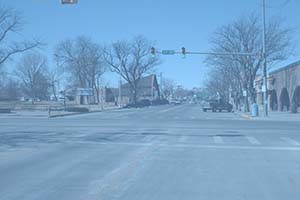
- Northeastern Plains AquiferSterling-anchored across Logan, Washington, Phillips, Sedgwick, Yuma
- Hard + Iron + NitratesCommon in plains ranch and farm taps
- Free On-Site TestingNorthern Colorado office, scheduled fast
The Northeastern Colorado water story
Why Northeastern Plains well water needs to be tested — not assumed
Sterling sits near the center of Logan County at the bend in the South Platte, and the four counties that ring it — Washington, Phillips, Sedgwick to the east, and Yuma to the south — share the same starting problem. Northeastern Colorado outside the metro is overwhelmingly private wells on the South Platte alluvial aquifer and the broader Northeastern Plains aquifer, with a few small community systems in the larger towns. Plains groundwater is hard and iron-bearing by nature, and the surrounding land use puts more on top.
Sulfates are common in the deeper Cretaceous-age material under the South Platte valley, and nitrates from fertilizer application and feedlot runoff show up often enough to matter where irrigated cropland or concentrated animal operations sit upgradient of a wellhead. Arsenic shows up where the deeper plains formations carry it into the aquifer — not universal across the region, but common enough in the Sterling-to-Julesburg stretch and into Sedgwick and Yuma that any well there should be tested. Legacy lead service lines and galvanized main lines in older neighborhoods are a connected issue that the live Colorado Water Purification pages have flagged for ongoing attention.
Coliform bacteria are an event-driven problem along the South Platte and the Republican — heavy rain, snowmelt, or flooding pushes surface contamination down through the soil profile, and shallow wells feel it first. A treatment system designed for someone else's water almost never fits yours. We start every Northeastern Colorado job with a real on-site analysis — hardness, iron, manganese, sulfates, nitrates, arsenic, coliform, lead, whatever the Northeastern Plains aquifer is delivering at your address — and design from the results, including the higher service flow that ranch and acreage properties typically need.
- Hardness, iron, and manganese from the South Platte alluvial aquifer and the wider Northeastern Plains aquifer
- Sulfates from the deeper Cretaceous-age formations under the South Platte valley
- Nitrates from fertilizer and feedlot runoff across the surrounding cropland
- Arsenic in places where the deeper plains formations carry it into the aquifer
- Coliform bacteria after heavy rain or flooding along the South Platte and the Republican
- Sediment from aging well casings on long-established ranches
How Water Works helps
Treatment designed around what your Northeastern Plains well actually contains
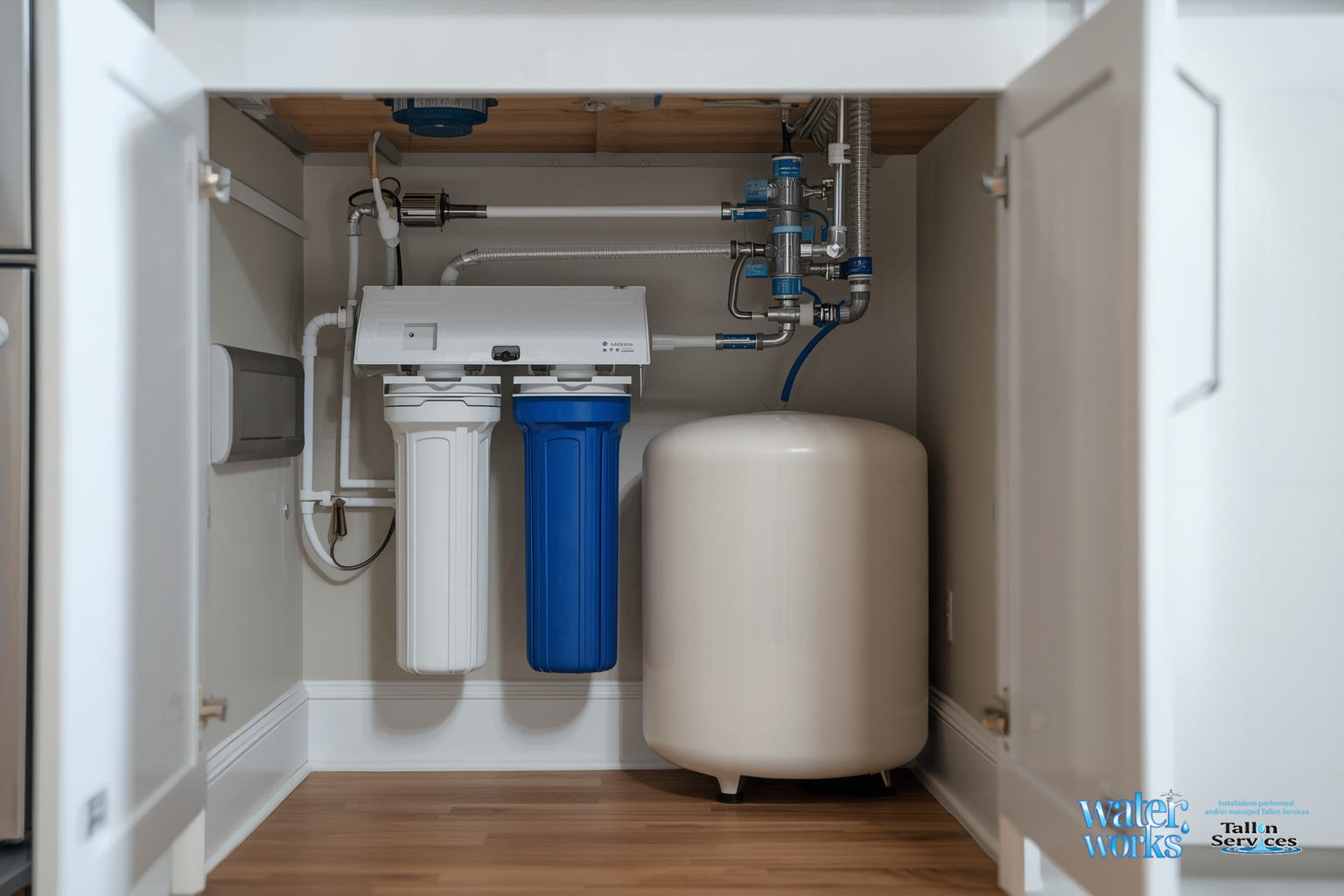
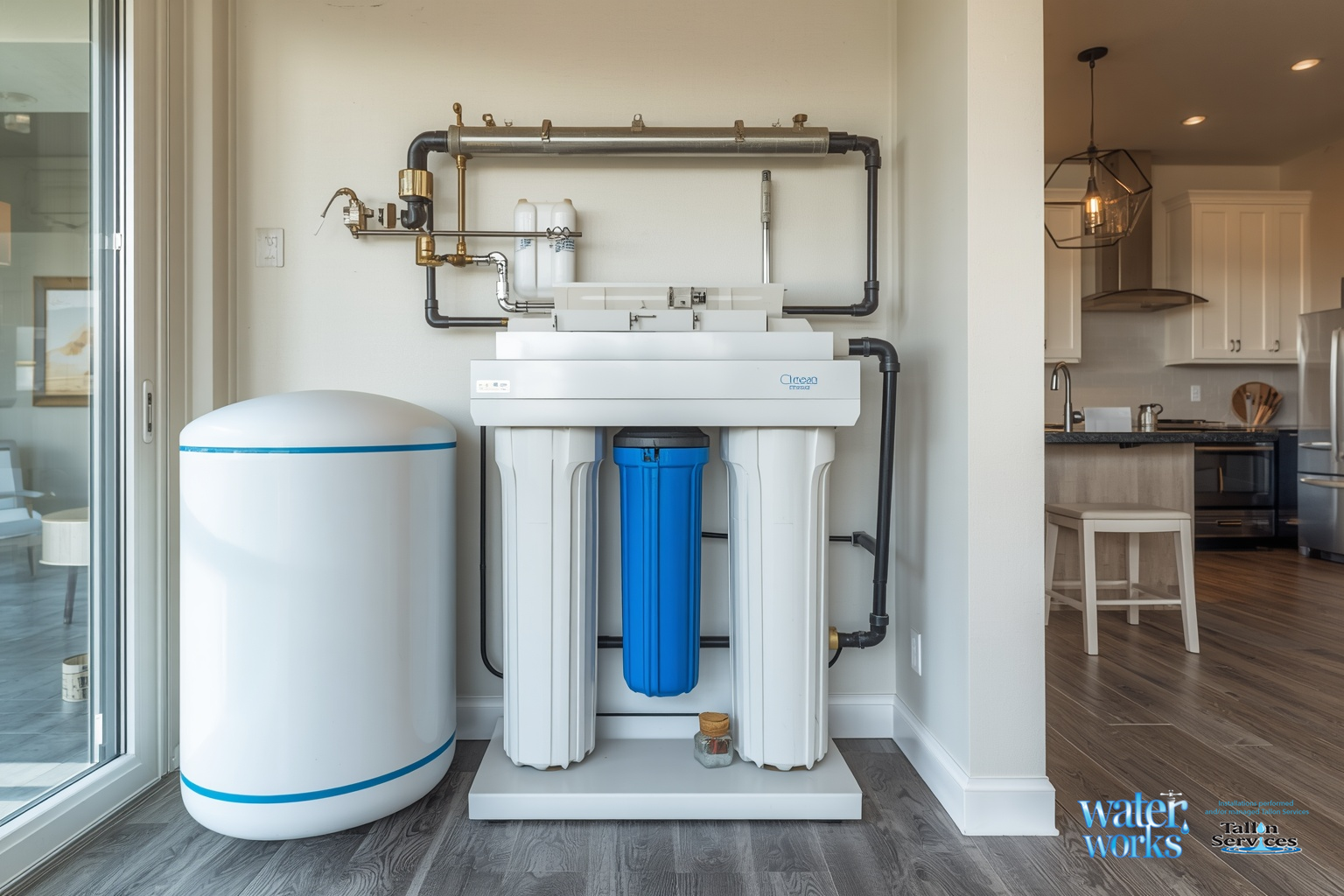
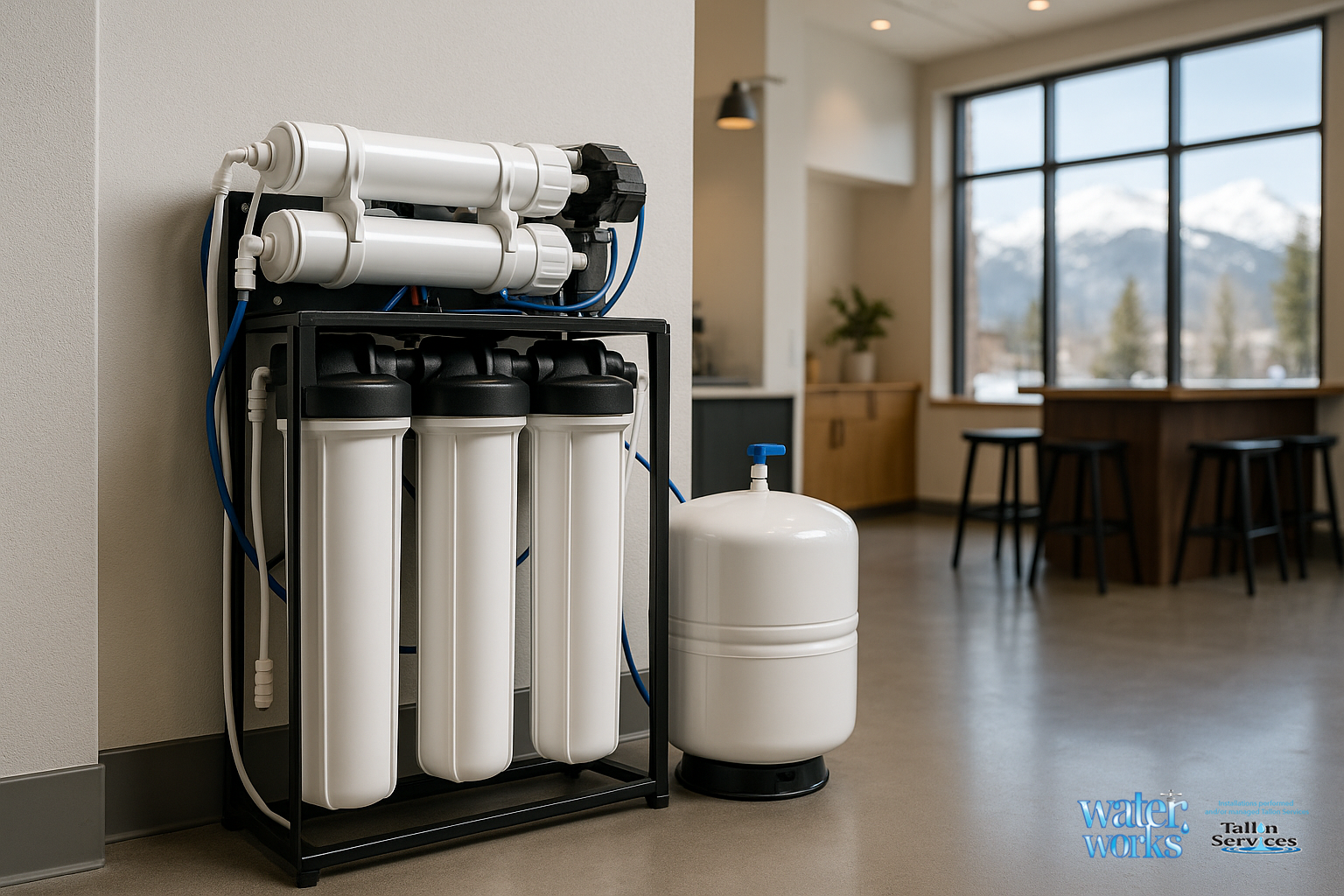
For most Northeastern Colorado homes, ranches, and farm taps the right answer is a layered system: a softener at the point of entry to handle the plains hardness and protect appliances, plus a reverse osmosis unit at the kitchen tap. Wells with iron, manganese, sulfates, or detectable nitrates usually need a dedicated pre-filter ahead of the softener — a greensand, catalytic-carbon, or anion-exchange unit sized for that well. Wells where arsenic shows up get an arsenic media stage added to the same train, and properties with coliform risk add a UV stage so bacteria don't make it to the tap.
We design, install, and verify the treated water at every tap. Then we come back: well water should be tested at least once a year, and we keep the system serviced and your water verified season after season — including a retest after major weather along the South Platte, after changes in nearby land use, and after any well or plumbing work that could shift the profile.
- Free on-site water analysis
- Water softeners sized to Northeastern Plains hardness
- Iron, manganese, sulfate, and arsenic filtration
- Reverse osmosis for drinking-water taps
- UV disinfection for coliform and bacteria
Coverage across Northeastern Colorado
Service routes into Sterling and the wider Northeastern Plains
Sterling sits at the routing center. Our service techs run Sterling as a scheduled stop from our Northern Colorado office, with loops out from there into Logan County and the surrounding counties to the east and south — Brush and Fort Morgan off the I-76 corridor to the southwest, Akron and the Yuma County towns to the south, and the rural ranch and farm properties scattered between. Statewide dispatch out of our four regional offices covers anything further out along the I-80 corridor toward Julesburg.
Northeastern Plains installs run different from in-town work. Ranch and acreage properties carry higher treatment demand — bigger service flow, more bathrooms and outbuildings on the same plumbing, longer runs between wellhead and house — so the right system for a 5-acre Sterling lot is rarely the right system for a 160-acre one east toward Sedgwick. Our techs size softeners, pre-filters, and RO units to the actual well and tap count, and keep every install on an annual testing cycle.
- Northern Colorado office — northeast on the South Platte corridor into Logan, Washington, Phillips, Sedgwick, and Yuma counties
- Scheduled routes to Sterling, plus loops out to Brush, Fort Morgan, and Akron
- Statewide dispatch for the further-out ranches east along the I-76 and I-80 corridors
- On-site well testing, softener installs, and RO work on ranch and acreage properties
- Higher service flow and longer plumbing runs sized into every install
- Annual testing programs across the Northeastern Plains
Northeastern Colorado water treatment FAQs
Is Sterling's tap water safe to drink?
Sterling is the largest community in the run and the anchor for our Northeastern Colorado coverage, but the water supply across the South Platte valley and the surrounding Logan, Washington, Phillips, Sedgwick, and Yuma county towns is overwhelmingly private wells drawing from the same Northeastern Plains aquifer — with a few small community systems on the same source. Well water isn't regulated the way municipal water is, and there is no required routine testing unless the homeowner arranges it. 'Looks fine' and 'is fine' are not the same thing across the plains. A real on-site analysis is the only way to know what's actually coming out of your faucet in Sterling, Brush, or any of the surrounding towns.
What contaminants are most common in Northeastern Colorado well water?
South Platte alluvial wells and the wider Northeastern Plains aquifer routinely test high for hardness, iron, and manganese — the rule on plains groundwater, not the exception. Sulfates are common in the deeper Cretaceous-age material under the river basin, and nitrates from fertilizer and feedlot runoff show up often enough to matter where irrigated cropland or concentrated animal operations sit upgradient of a wellhead. Older neighborhoods have legacy lead service lines and galvanized main lines flagged for ongoing attention. We have seen arsenic where the deeper formation carries it, haloacetic acids and chloroform forming on organic-rich source water, and coliform bacteria after heavy rain or flooding.
How often should I test my water in Northeastern Colorado?
At least once a year for any private well — more often if you've ever had a positive result, if your well sits shallow, if your area has known nitrate, arsenic, or coliform issues, if you sit close to irrigated cropland or a feedlot, or if your water changes in taste, smell, or color. After heavy rain, snowmelt, or flooding along the South Platte, after a drought cycle that drops aquifer levels, and after any work on the well or plumbing, test before you drink it. Nitrates and coliform are seasonal and event-driven — annual testing alone isn't always enough, and a wet spring after a dry summer is the classic window for a positive result to appear across Sterling and the surrounding plains.
Do Northeastern Colorado homes really need a water softener?
Yes. South Platte alluvial groundwater and the wider Northeastern Plains aquifer are hard by nature, and Sterling plus the surrounding Logan, Washington, Phillips, Sedgwick, and Yuma county towns are no exception. You'll see it as spotting on glassware, scale on faucets and shower glass, and shortened lifespans for water heaters, dishwashers, washing machines, and ice makers — on ranch and acreage taps the problem compounds because bigger service flow and harder water stack up over longer runs. A softener isn't luxury; it's the difference between appliances that last 15 years and ones that last 6. Salt-free conditioners help with scale but don't actually remove hardness the way a proper ion-exchange softener does.
Can you service my home outside of Sterling?
Yes. Our Northern Colorado office — at (970) 381-4493 — covers Sterling as a scheduled stop and runs routes across the wider Northeastern Plains into the surrounding Logan, Washington, Phillips, Sedgwick, and Yuma county towns, plus loops to Brush, Fort Morgan, and Akron as part of the same dispatch. On-site well testing, softener installs, arsenic and nitrate filtration, and reverse osmosis on ranch and acreage properties are routine work for that crew. Statewide dispatch out of our four regional offices covers the further-out farms east of Sterling along the I-76 and I-80 corridors.
Get a free water analysis in Northeastern Colorado
Find out what's actually in your water — ranch tap, acreage well, or in-town service anywhere from Sterling out across Logan, Washington, Phillips, Sedgwick, and Yuma counties. Our Northern Colorado office at (970) 381-4493 runs scheduled routes through the region and designs treatment around what your specific well or service actually delivers. Statewide dispatch out of our four regional offices covers anything further out.
Get a quote- Denver Metro(303) 248-3390
- Northern Colorado(970) 381-4493
- Colorado Springs Metro(719) 694-2650
- Pueblo & S Colorado(719) 836-8118
From the blog