
 Reverse Osmosis
Residential & Commercial · Drinking water
Reverse Osmosis Systems in Colorado
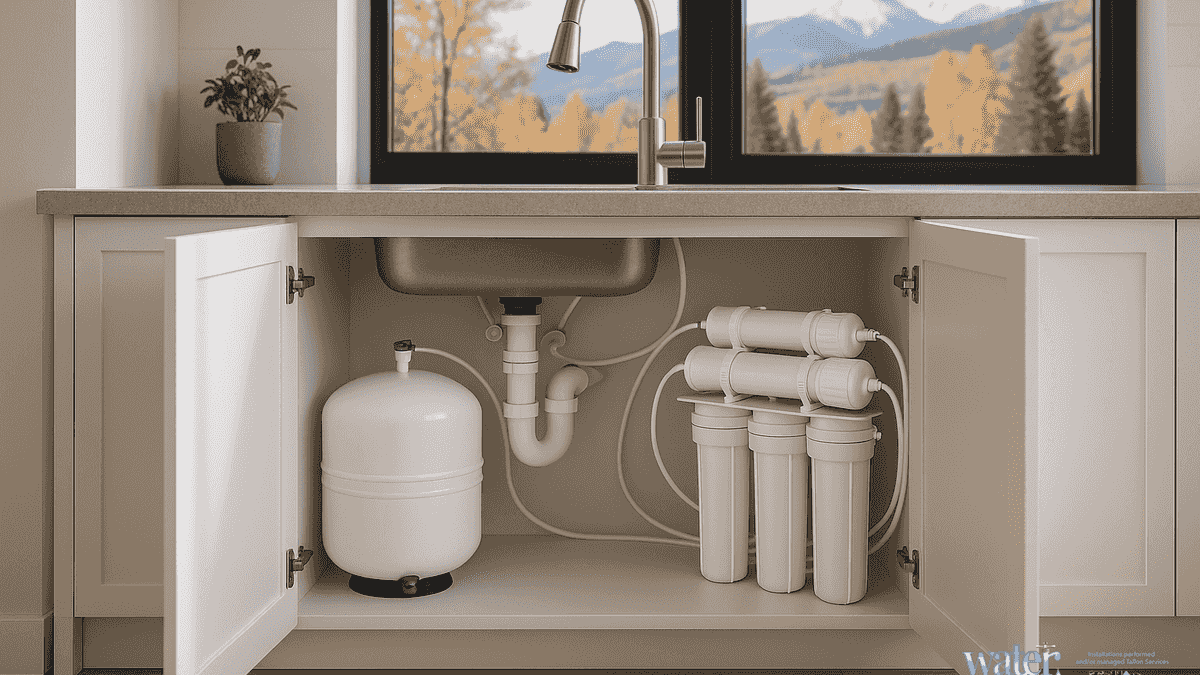
Reverse osmosis is the most thorough point-of-use treatment available for Colorado drinking water. A reverse osmosis water filter in Colorado strips dissolved contaminants at the molecular level — lead, arsenic, nitrates, fluoride, PFAS — leaving water that tastes clean, and is clean. Every reverse osmosis system in Colorado we install starts with a real water test.
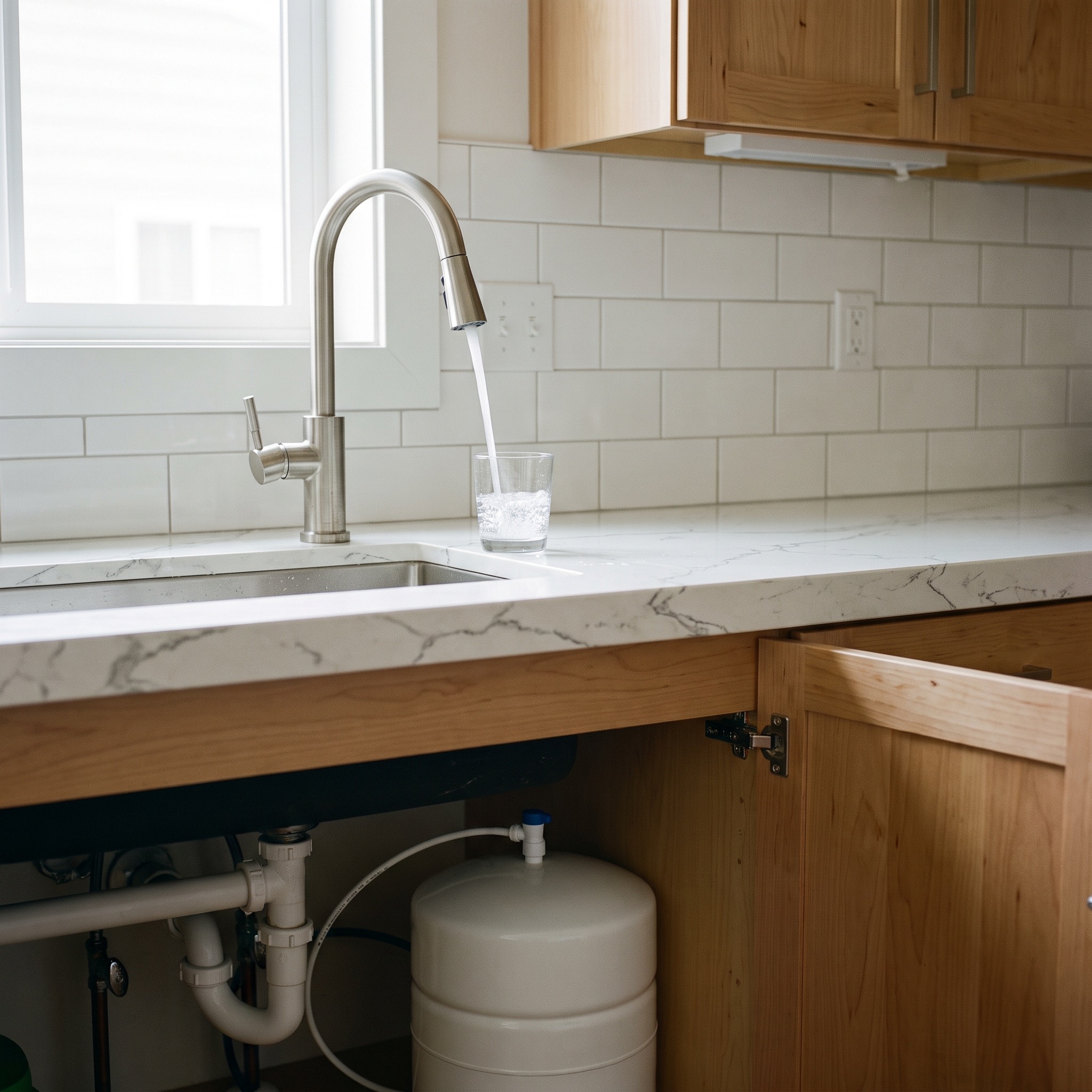
- Pure WaterRemoves dissolved contaminants
- Better TasteCrisp, refreshing drinking water
- Health ProtectionCleaner water every day
What it does
How Reverse Osmosis Filtration Works
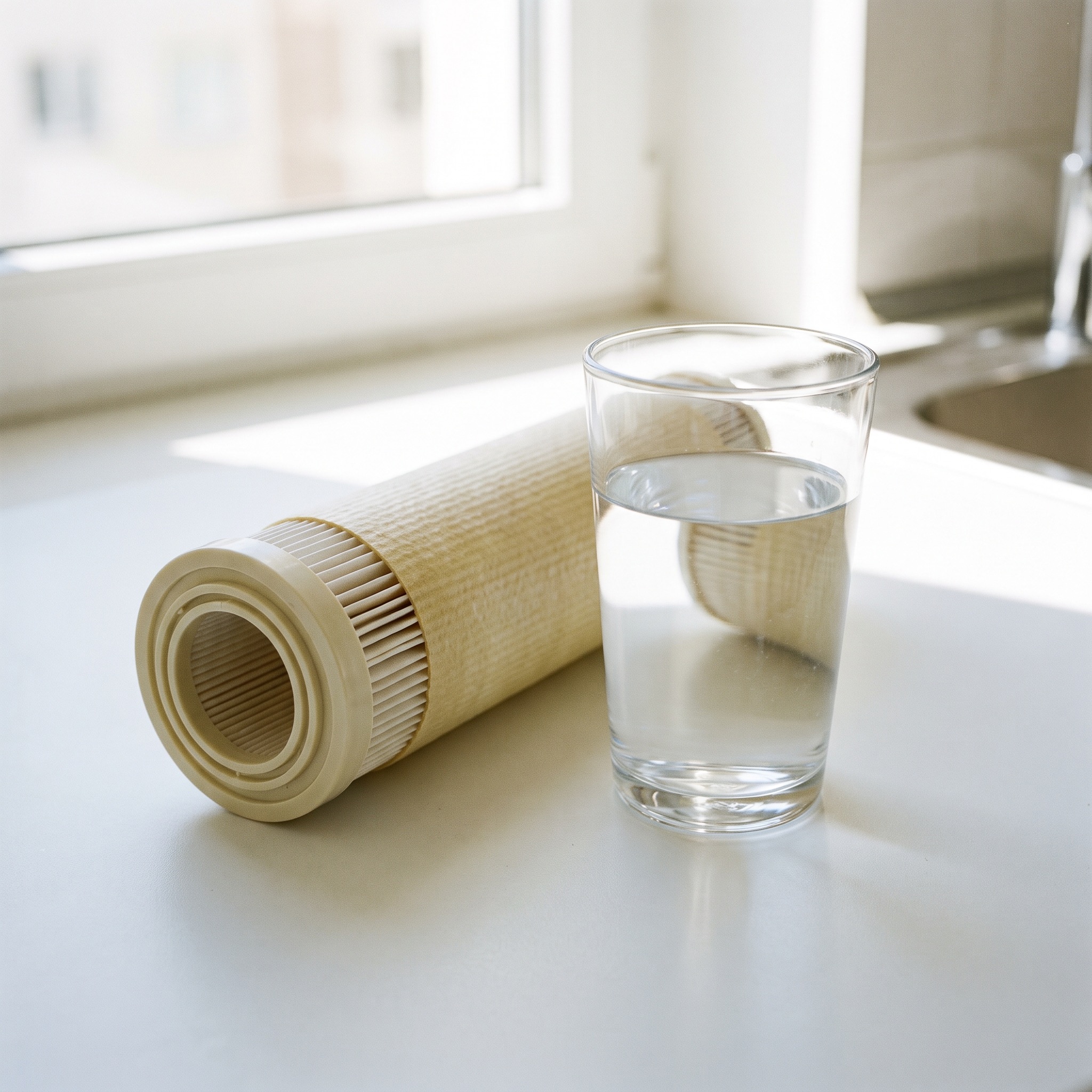
Reverse osmosis in Colorado is one of the most effective ways to remove dissolved contaminants from your drinking water. The membrane's pores are small enough to block dissolved contaminants — heavy metals, salts, nitrates, fluoride, PFAS, pharmaceuticals — while letting water molecules through. What comes out the other side is water with a fraction of the dissolved solids of what went in.
For Colorado homes and businesses, that means removing the contaminants most worth filtering for — especially when NSF/ANSI 58-certified RO systems can reduce lead, arsenic, and PFAS to below detection levels.
- Lead and arsenic
- Nitrates from agricultural runoff
- Fluoride and sulfates
- PFAS and other forever chemicals
- Pharmaceutical residues
- Dissolved minerals that affect taste
How it works
Different Stages, Working in Sequence
Each stage in an RO system does a different job — and the sequence matters as much as the parts. Systems can range from 3 to 5 stages depending on your water, but these are the foundation.
Sediment pre-filter
A mechanical filter that catches dirt, rust, mud, and algae before finer stages see them — protecting the membrane and extending system life.
Carbon pre-filter
Activated carbon strips the chlorine and the compounds behind off tastes and odors, so the membrane can do its job without fouling.
RO membrane
The heart of the system. A semi-permeable membrane blocks dissolved contaminants — lead, arsenic, nitrates, fluoride, PFAS, and pharmaceuticals — at the molecular level.
Post carbon filter
A final polishing stage that catches any remaining taste or odor carry-through, leaving water clean and crisp at the tap.
Colorado contaminants
What RO Removes From Colorado Water
Colorado's water picks up specific contaminants depending on where you live and whether you're on municipal supply or a private well. Here's what RO targets.
Lead
Lead has no safe exposure level according to the EPA. RO reduces it to below detection — critical for pre-1986 homes with lead solder and brass fixtures.
Arsenic
Naturally occurring in Colorado's geology, especially in well water along the Front Range. EPA MCL is 0.010 mg/L — RO removes it at the molecular level.
Nitrates
From fertilizer runoff in agricultural and residential areas. EPA MCL is 10 mg/L — dangerous for infants. RO strips nitrates below the limit.
PFAS
Colorado has documented PFAS contamination, especially in southern Colorado. EPA limits set at 4.0 ppt in 2024 — RO is one of the most effective treatments.
Disinfection byproducts
Chlorine disinfection creates trihalomethanes (TTHMs) and haloacetic acids (HAA5). RO reduces these compounds that form in the distribution main overnight.
Fluoride
Added to municipal water for dental health, but many homeowners prefer to remove it. RO reduces fluoride to below detectable levels.
The science
How RO Systems Treat Water
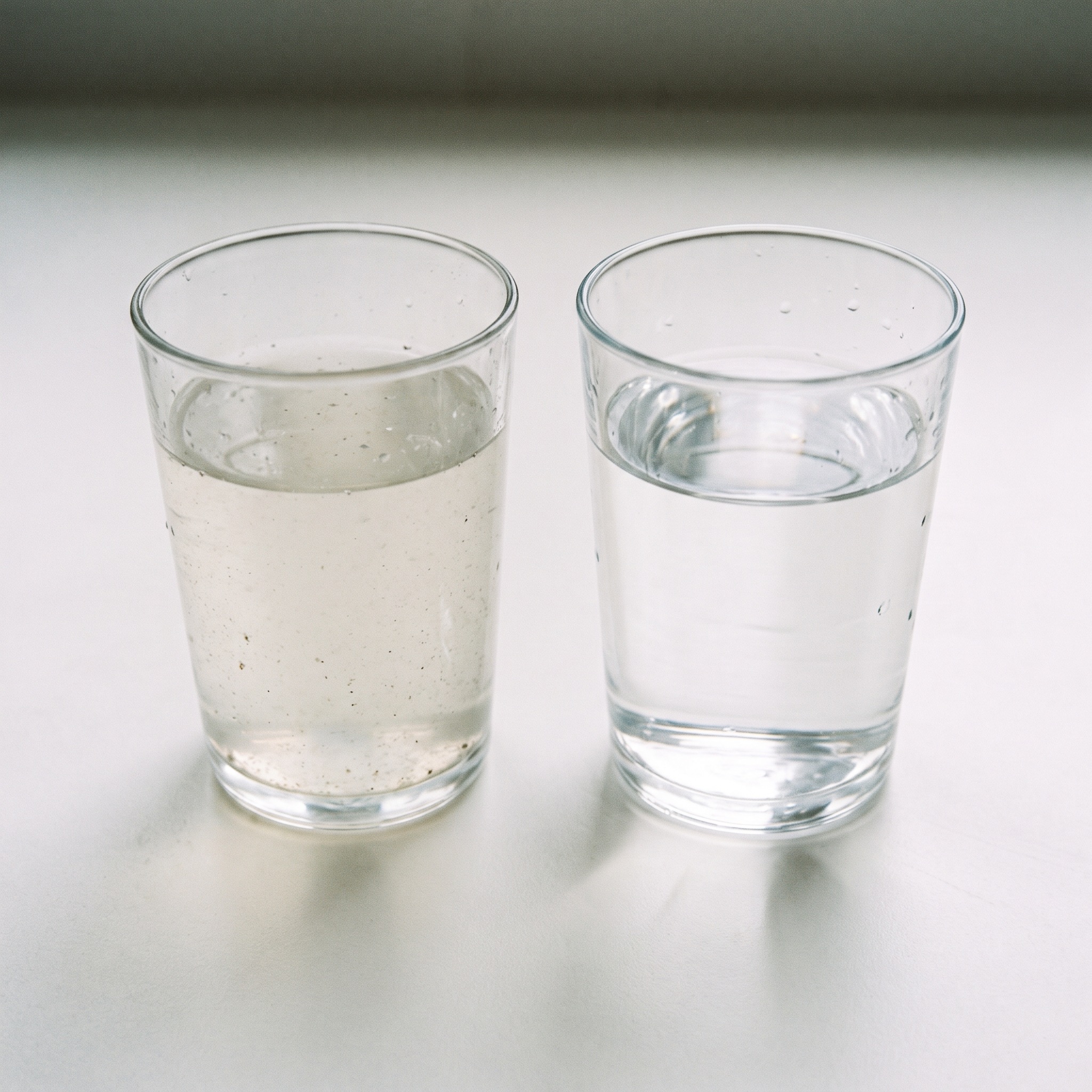
An RO system doesn't just filter water — it splits it into two streams. The permeate is the purified water that passes through the membrane, collected for drinking and cooking. The concentrate is the rejected water carrying the contaminants, flushed to drain. Commercial RO systems typically recover 50% to 85% of feed water as permeate, depending on the source and design.
For residential systems, that ratio matters for efficiency. Older units could send 4–5 gallons to drain for every gallon produced. Modern systems with permeate pumps and high-efficiency membranes cut that to roughly 1:1 — meaning half the water becomes permeate, half becomes concentrate. On well water, the concentrate can even be routed to outdoor use.
Membrane types
Types of RO Membranes
The membrane is the core of the system. Different membranes are built for different feed water — we match the membrane to what's actually in your supply.
Tap water RO
Designed for municipal or treated water. The most common residential membrane — removes lead, chlorine byproducts, nitrates, fluoride, and dissolved solids at standard household pressure.
Brackish water RO
Built for higher-TDS feed water like private wells or agricultural runoff. Uses stronger membranes and higher pressure to handle elevated mineral and salt content.
High-rejection RO
Engineered for maximum contaminant removal — 99%+ rejection rates. Used when PFAS, arsenic, or radiological contaminants are the primary concern and every fraction of a part-per-trillion matters.
Double-pass RO
Permeate from the first pass becomes feed water for a second RO membrane. Produces ultra-pure water for laboratories, medical facilities, and homes with serious contamination.
Stage options
RO System Stages Explained
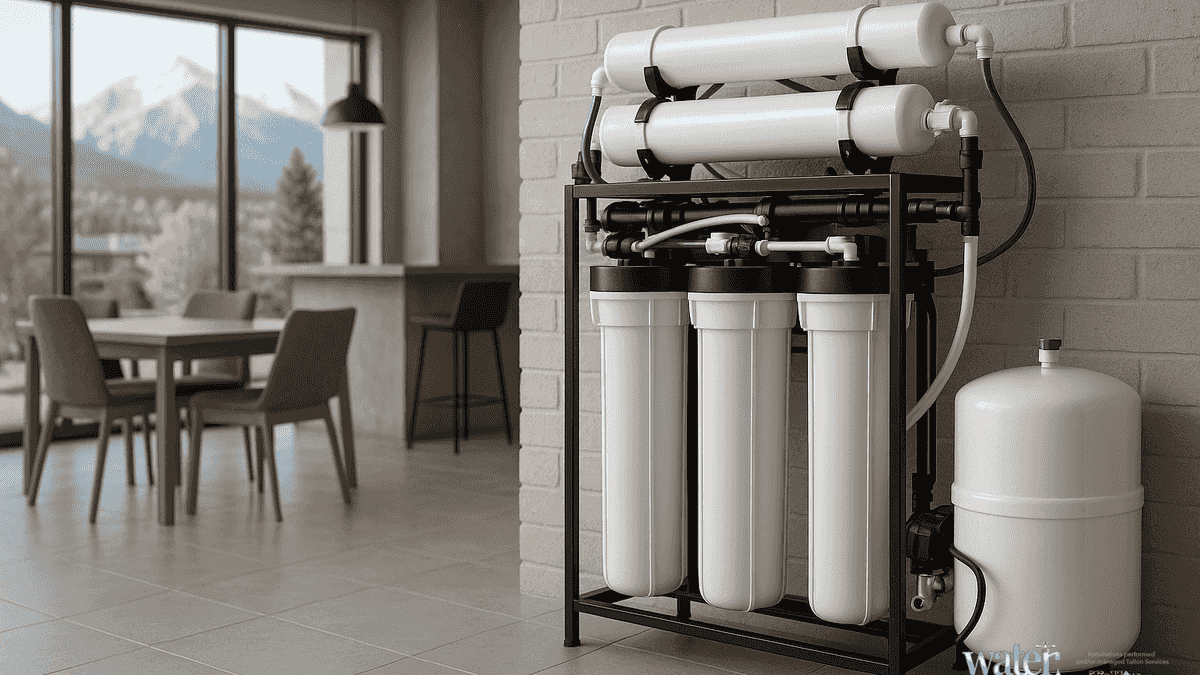
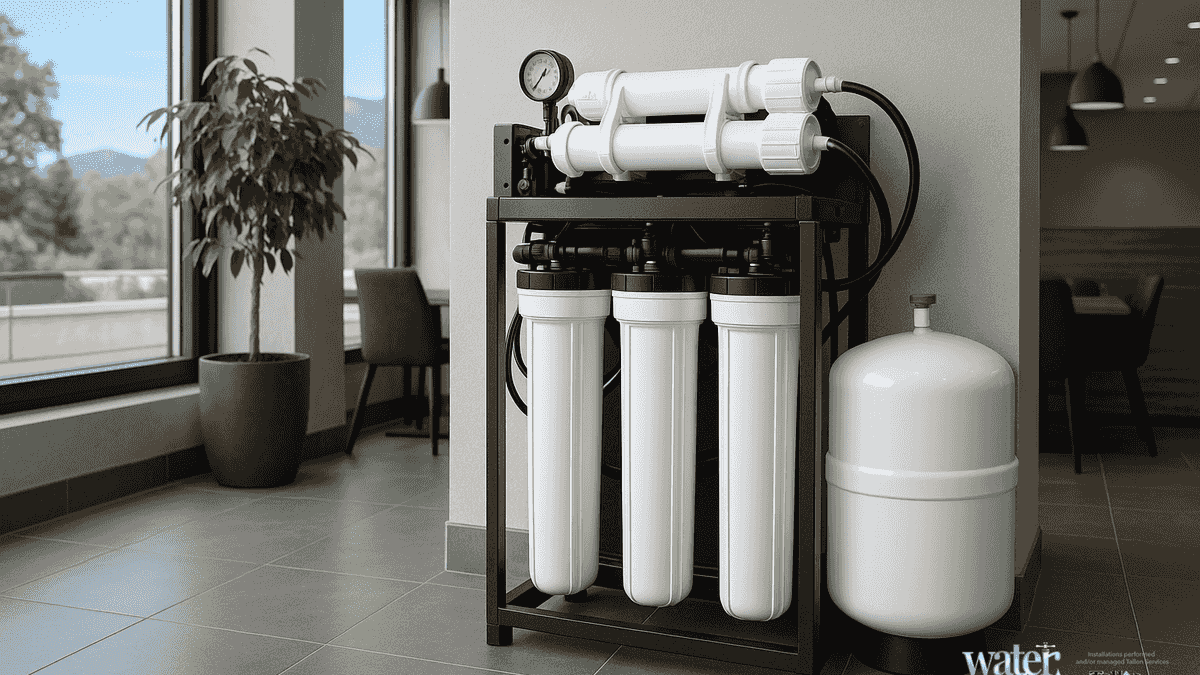
The system above is the most common configuration we install. But depending on your water test, you might need fewer stages — or more.
3-stage RO
Sediment, carbon, and membrane. The minimum viable system — covers the essentials for basic municipal water with no unusual contaminants.
4-stage RO
Adds a post-carbon polishing filter after the membrane. Improves taste and catches any carry-through. The most common residential configuration we install.
5-stage RO
Adds a remineralization or specialty filter (iron, UV, alkaline). For homes with specific contaminant profiles or homeowners who want minerals added back.
Why install
Benefits of RO Water
Crisp, clean taste
Removes the dissolved minerals and chemicals that give tap water its flat or metallic flavor. Coffee, tea, and ice all pick it up.
Bottled-water replacement
Purified water on demand, straight from the tap. Most households see the system pay for itself against bottled water within a couple of years.
Less plastic, less waste
A single under-sink system replaces thousands of single-use plastic bottles over its lifetime.
Protected appliances
Coffee makers, ice machines, and steam ovens all last longer when they're not running on mineral-heavy water.
Choosing the right setup
Choosing the Right RO System
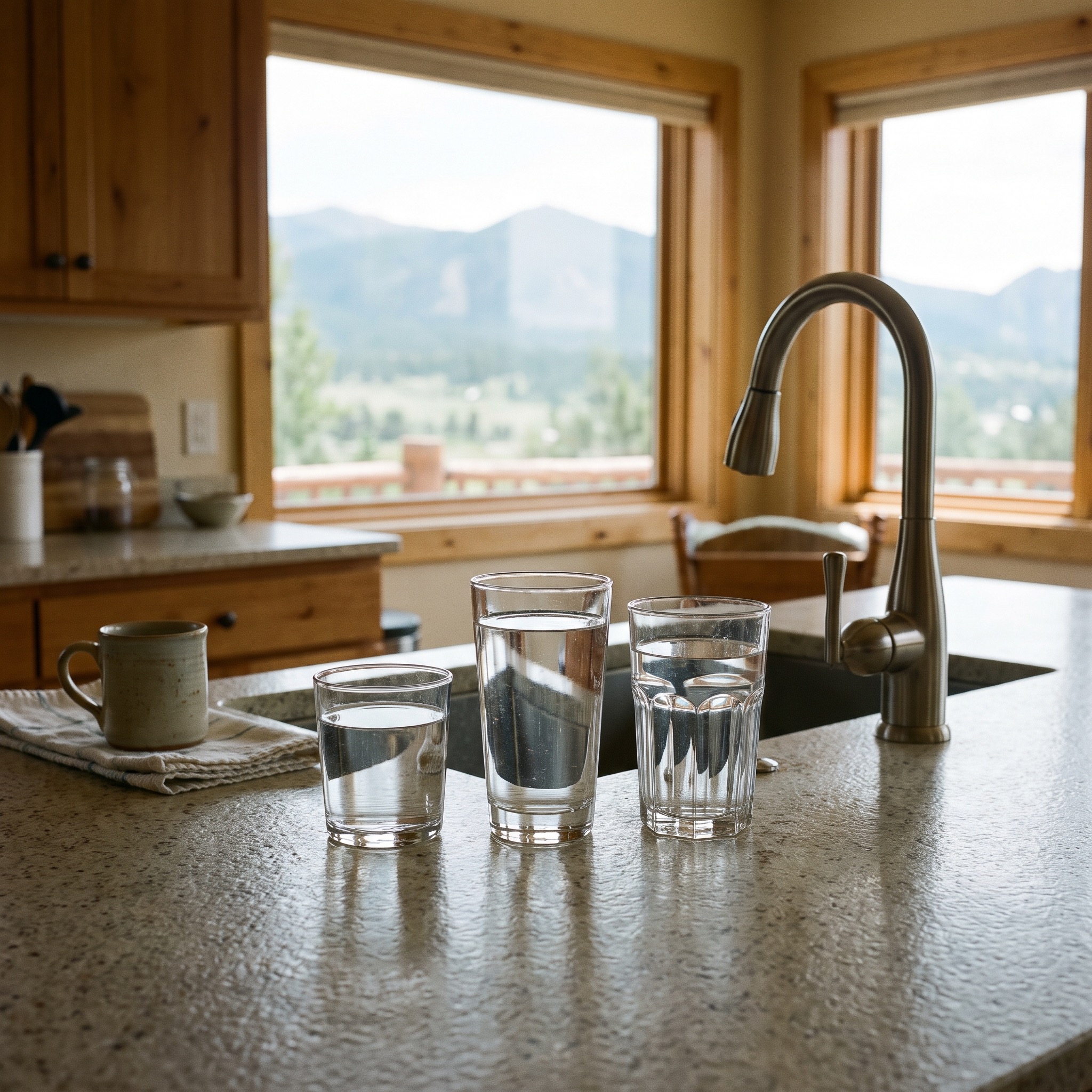
Beyond the membrane and stage count, there's the question of where the system goes. Reverse osmosis comes in several common configurations. The right one depends on what you're treating, how much of your plumbing you want covered, and your budget. Whether you need a point-of-use under-sink system or a whole-house setup, we size the system from your water test.
- Whole house — every tap and appliance on RO water
- Point-of-use — under the sink, dedicated filtered faucet
- Tankless — on-demand, no storage tank, less waste
The options
RO System Installation Options
The right configuration depends on your water test, your household size, and how much of your plumbing you want on RO water.
Whole house RO
Installed at the main line so every tap, shower, and appliance runs on RO water. Best for homes with serious contamination — and for homeowners who don't want to think about which tap is filtered.
Explore whole-house filtersPoint-of-use RO
A compact system under the kitchen sink that feeds a dedicated faucet. The most common residential setup — clean drinking and cooking water where it matters, at a fraction of whole-house cost.
Explore under-sink filtersTankless RO
On-demand RO without a storage tank. Smaller footprint, less wastewater, and water that's freshly purified the moment the tap opens.
The install
Professional RO Installation in Colorado
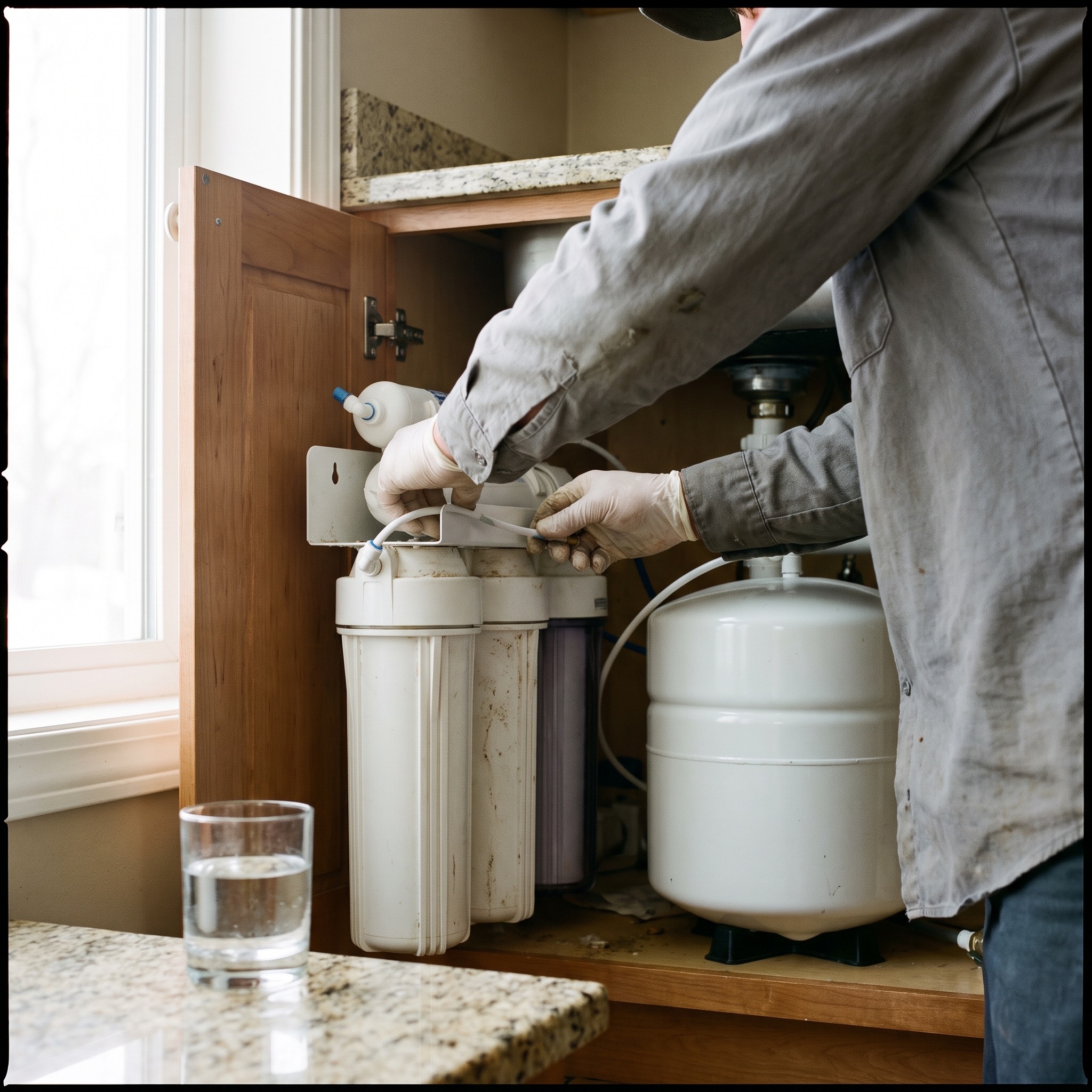
Our technicians install the system, plumb the drain and faucet, and verify water quality at the tap before the job is done. Every RO installation starts with a real test of your water.
Our process
From Water Test to Purified Drinking Water
Every RO installation starts with a real test of your water.
Test your water
RO targets specific dissolved contaminants. We test your supply first so the system we recommend targets what's actually in your water — not what's in someone else's.
Choose the right configuration
Whole house, point-of-use, or tankless. The right answer depends on your water test, your household size, and how much of your plumbing you want on RO water.
Install at the source
Our technicians install the system, plumb the drain and faucet, and verify water quality at the tap before the job is done.
Maintain and replace
Pre- and post-filters are replaced on a regular schedule. Membranes typically last 2–5 years, depending on the system and your water. We handle the schedule so you don't have to.
Resources
Reverse Osmosis Spec Sheets & Performance Data
The spec sheets below are from AXEON and Hydronix — two of the manufacturers we work with. All have certified performance data. Download the spec sheets below to compare membrane rejection rates, system sizing, and model specifications.
- RO Membrane Ion Rejection RatesContaminant rejection percentages for AXEON reverse osmosis membranes — lead, arsenic, nitrates, and more.
- RO System Design GuideDesign parameters for sizing a reverse osmosis system to your water supply and household demand.
- RO Membrane ComparisonCross-comparison of RO membrane types — tap water, brackish water, and high-rejection options.
- Hydron RO Membrane CatalogFull catalog of Hydron reverse osmosis membranes with specifications and model selection guide.
Reverse Osmosis FAQs
What does an RO system actually remove?
RO removes dissolved contaminants at the molecular level — lead, arsenic, nitrates, fluoride, sulfates, PFAS, pharmaceuticals, and many other chemicals. It also reduces total dissolved solids (TDS), which is why RO water tastes noticeably different from tap. A well-specified RO membrane can reject 95–99% of dissolved contaminants.
What's the difference between whole house and point-of-use RO?
Point-of-use RO is installed under a single faucet — usually the kitchen — and treats the water you drink and cook with. Whole house RO is installed at the main line and treats every tap, shower, and appliance. Whole house is more thorough but more expensive and produces more wastewater; POU is the most common residential setup.
Does reverse osmosis waste a lot of water?
Older RO systems could send 4–5 gallons to drain for every gallon produced. Modern systems with permeate pumps and high-efficiency membranes cut that to roughly 1:1 or 2:1. We specify efficient systems, and on well water the rinse water can be routed to outdoor use.
How often does the membrane need replacing?
RO membranes typically last 2–5 years, depending on the system and your water. Pre- and post-filters are replaced more often — usually every 6 to 12 months. We keep the schedule on file and remind you when service is due. Skipping pre-filter changes is the #1 cause of premature membrane failure — the membrane clogs with sediment and chlorine damage that the pre-filters would have caught.
Can RO remove PFAS?
Yes. Properly specified RO is one of the most effective residential treatments for PFAS, often bringing levels below detection. If PFAS is the primary concern, we can test for it and design a system around it — see our PFAS removal services for more.
Will RO make my water taste flat?
Some people describe RO water as flat because the dissolved minerals that give tap water its character are removed. A post-carbon polishing stage (which our systems include) and a remineralization cartridge are the usual fixes. Most people prefer the taste of properly treated RO once they're used to it.
Is a reverse osmosis system certified?
Yes — NSF/ANSI 58 is the national standard for point-of-use reverse osmosis systems. It certifies contaminant reduction performance, structural integrity, and total dissolved solids reduction. We install systems that meet this standard.
How much does a reverse osmosis system cost in Colorado?
Most point-of-use reverse osmosis systems in Colorado run between $800 and $1,800 fully installed, depending on the number of stages, whether a remineralization filter is added, and the system type (traditional tank vs. tankless). Whole-house RO runs more because it treats every tap. The only honest answer comes after a water test — we'll explain exactly what you're paying for and why. No pressure, no upselling.
What is TDS and why does it matter?
TDS stands for total dissolved solids — the combined total of all organic and inorganic substances dissolved in your water. It includes minerals, salts, and metals. RO reduces TDS dramatically, which is why RO water tastes different. A TDS meter is a quick way to verify your system is working — if the reading drops significantly after installation, the membrane is doing its job.
Why does pre-filtration matter for an RO system?
The RO membrane has extremely fine pores and is easily damaged by sediment, chlorine, and other contaminants. Pre-filters catch these before they reach the membrane — sediment filters remove particles down to 5 microns, and carbon filters strip chlorine that would otherwise degrade the membrane over time. Without pre-filtration, the membrane would clog and fail within months instead of lasting years.
From the blog
Reverse Osmosis Articles
Water Works can be accessed at one of our four convenient locations:
Denver Metro:
Northern Colorado:
Colorado Springs Metro:
Pueblo and S Colorado:
Talk Through the Right RO System for Your Water
RO is one of the most effective ways to clean up drinking water — but only if it's specified and installed to fit what's actually in your supply. Water Works tests your water, designs the system, and handles installation and maintenance across Colorado.
Get a quote- Denver Metro(303) 248-3390
- Northern Colorado(970) 381-4493
- Colorado Springs Metro(719) 694-2650
- Pueblo & S Colorado(719) 836-8118