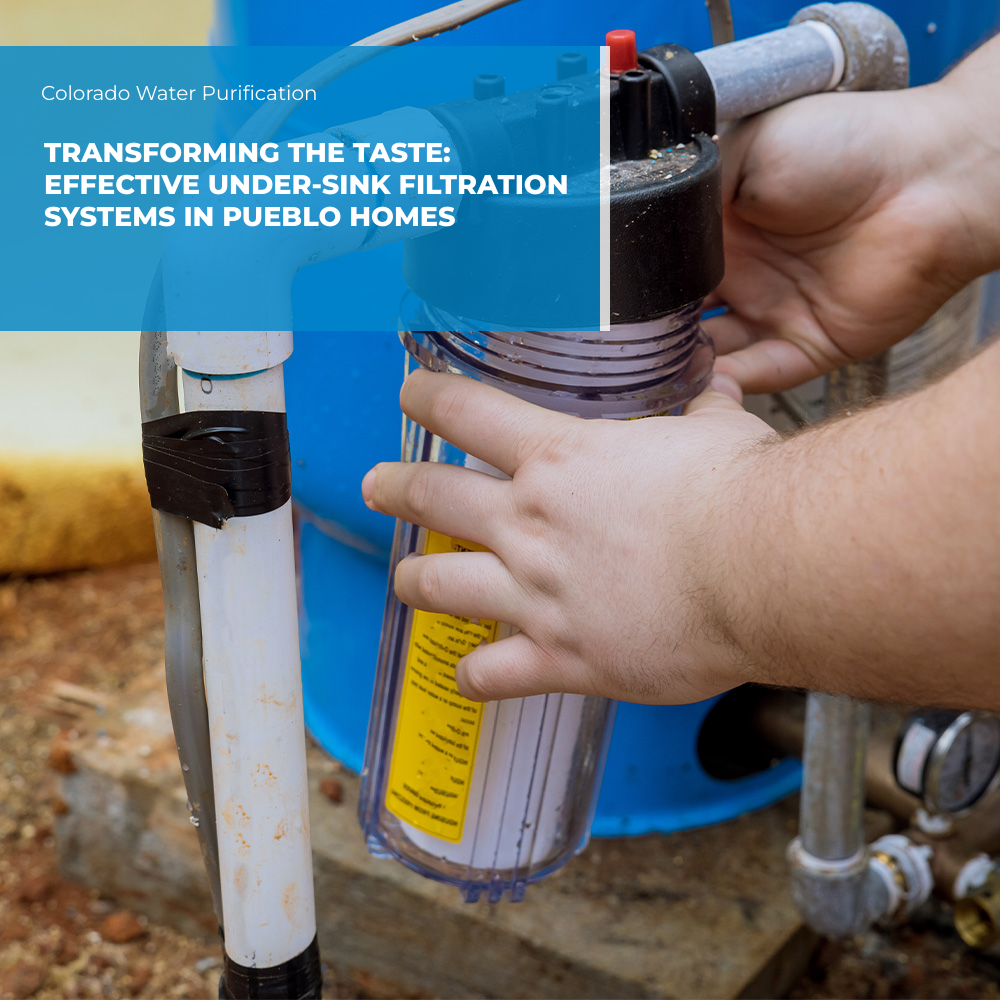
 Pfas Removal
Service area · Pueblo & Southern Colorado
Pueblo water treatment built for the Arkansas Valley
Pueblo's water comes from the Arkansas River via the Whitlock Treatment Plant, with the headwaters sourced near Leadville — and the average hardness runs around 180 mg/L, which is very hard by any measure. The treatment that actually works here is the treatment designed around Arkansas Valley source water and Pueblo's older distribution mains and household plumbing, not the treatment designed for someone else's water.
- Arkansas RiverSurface water from the Leadville watershed
- Very Hard~180 mg/L — softeners pay for themselves
- Free On-Site TestingFree water analysis, scheduled fast
The Arkansas Valley water story
Why Pueblo water needs to be tested — not assumed
Pueblo sits where the Arkansas River leaves the mountains and starts its long run across the plains, and the river is the reason the city exists. The same river feeds Pueblo Water's Whitlock Treatment Plant — and the same river carries everything the Arkansas Valley puts into it upstream, from Leadville snowmelt to agricultural return flow across southeastern Colorado. That source water is genuinely hard, and the treatment plant addresses a lot, but it doesn't strip hardness and it can't reach the plumbing inside your home.
Pueblo is also an old steel town, and a lot of the housing stock dates to the decades when copper, lead, and galvanized steel were standard plumbing materials. Lead and copper can leach from those lines long after the utility's water leaves the meter, and that's where a meaningful share of the contamination Pueblo homes actually drink comes from. Out on the wells — Pueblo West, Avondale, Boone, Colorado City — the picture is different again: shallower aquifer systems pick up hardness, iron, manganese, arsenic, and nitrates in their own characteristic ratios.
A treatment system designed for someone else's water almost never fits yours. We start every Pueblo job with a real on-site analysis and design from the results — including the higher service flow and harder water that older homes and acreage properties typically need.
- Hardness averaging ~180 mg/L from Arkansas River source water
- Haloacetic acids and total trihalomethanes (disinfection byproducts)
- Mercury and radiological contaminants in the finished supply
- Lead and copper leaching from older distribution mains and household plumbing
- Arsenic, iron, and manganese in the outlying well communities
- Nitrates from agricultural runoff across the Arkansas Valley
How Water Works helps
Treatment designed around what your Arkansas Valley water actually contains
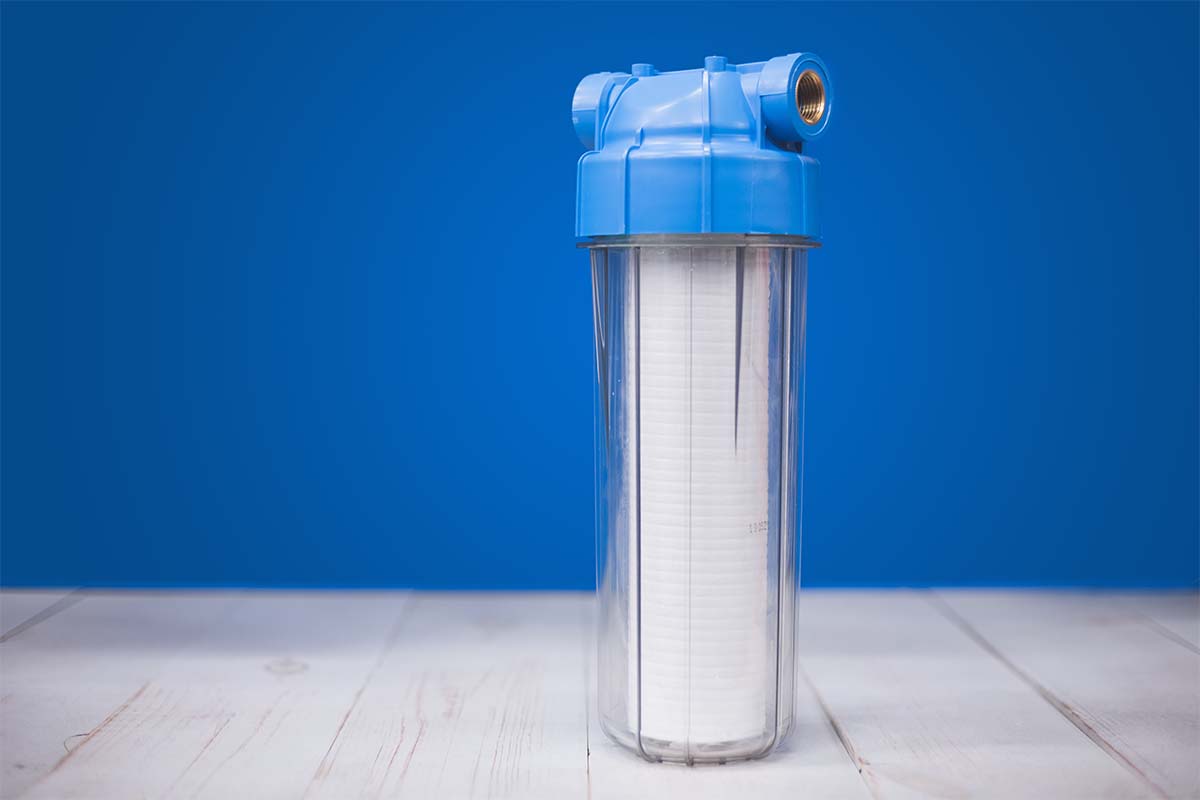
For most Pueblo homes, the right answer is a layered system: a softener at the point of entry to handle the 180 mg/L hardness and protect appliances, plus a reverse osmosis unit or under-sink filter for the kitchen tap where you actually drink and cook. Wells with iron, manganese, arsenic, or high nitrates usually need a pre-filter ahead of the softener. Municipal customers with chlorine-taste or lead concerns often pair a softener with a small carbon polishing filter and a dedicated drinking-water tap.
We design the system, install it, and verify the treated water meets the mark at every tap it's used. Then we come back: well water should be tested at least once a year, and we keep your system serviced and your water verified season after season — across Pueblo proper, the outlying well communities, and the rest of the Arkansas Valley.
- Free on-site water analysis
- Water softeners sized to Arkansas Valley hardness
- Reverse osmosis for drinking-water taps
- Iron, manganese, and arsenic filtration
- UV disinfection for bacteria
- Annual testing and ongoing service
Pueblo water treatment FAQs
Is Pueblo's tap water safe to drink?
Pueblo Water sources from the Arkansas River — diverted at Pueblo Reservoir, treated at the Whitlock Treatment Plant, with the headwaters traced back to the Leadville watershed. The treatment is real, and the plant meets regulatory standards, but the water that reaches your tap is hard (averaging around 180 mg/L), and Pueblo's older distribution mains and historic homes mean lead and copper can still leach from plumbing behind the meter. Recent consumer confidence reports also show haloacetic acids, total trihalomethanes, fluoride, mercury, and radiological contaminants in the finished supply. Safe by the books and good at your kitchen tap are not the same thing — only a real on-site analysis tells you what's actually coming out of your faucet.
What contaminants are most common in Pueblo well water?
The outlying well communities around Pueblo — Pueblo West, Avondale, Boone, Colorado City — sit on shallower alluvial and High Plains aquifer systems that pick up their own characteristic profile. Hardness, iron, and manganese are the rule, with arsenic and elevated nitrates showing up often enough to matter. We've also seen sulfates, coliform bacteria, and the occasional sulfur or sediment issue from older well casings. A genuine on-site analysis tells you which of these yours has — the water table varies block by block across the Arkansas Valley, and guessing isn't a strategy.
How often should I test my water in Pueblo?
At least once a year for any private well — more often if you've ever had a positive result, if your area has known nitrate, arsenic, or coliform issues, or if your water changes in taste, smell, or color. After heavy irrigation, flooding, or any work on the well or plumbing, test before you drink it. Municipal customers on Pueblo Water should still test at the tap every few years to catch plumbing-related contamination the utility doesn't see, especially in homes built before the lead-free plumbing code.
Do Pueblo homes really need a water softener?
Yes. At an average hardness of around 180 mg/L, Pueblo's water is very hard by any standard. You'll see it as spotting on glassware, scale on faucets, shower glass, and tile, and as shortened lifespans for water heaters, dishwashers, and washing machines. A softener isn't luxury — it's the difference between appliances that last 15 years and ones that last 6. Salt-free conditioners help with scale, but they don't actually remove the hardness minerals the way a proper ion-exchange softener does.
Can you service my home if I'm outside the city of Pueblo?
Yes. Our Pueblo and Southern Colorado office covers Pueblo West, Avondale, Boone, Colorado City, and the rest of the Arkansas Valley south to Walsenburg. Service techs run routes across the region, and on-site well testing and system installation are routine work for our crews — including in the outlying well communities and rural acreages where the water is harder and the service flow higher than average.
Get a free water analysis in Pueblo
Find out what's actually in your water — Arkansas River municipal supply, outlying well, or older home with original plumbing. We'll test on-site, walk you through the results, and design a treatment system around your source, your household, and your preferences. Schedule with our Pueblo and Southern Colorado office at (719) 836-8118 or any of our four regional locations.
Get a quote- Denver Metro(303) 248-3390
- Northern Colorado(970) 381-4493
- Colorado Springs Metro(719) 694-2650
- Pueblo & S Colorado(719) 836-8118